
"fried degree"
2000 article(s) found

Do you know where coffee is grown all over the world?
● Brazil (South America), the largest coffee producer, accounts for 1/3 of global coffee consumption and occupies a place in the global coffee market. Although Brazil faces several times more natural disasters than other regions, it has enough acreage to make up for it. There are many kinds of coffee here, but its industrial policy is abundant and cheap, so
Do you know where coffee is grown all over the world?
● Brazil (South America), the largest coffee producer, accounts for 1/3 of global coffee consumption and occupies a place in the global coffee market. Although Brazil faces several times more natural disasters than other regions, it has enough acreage to make up for it. There are many kinds of coffee here, but its industrial policy is abundant and cheap, so

Why do some coffees taste sour?
Varieties such as Mocha, Colombia, Guatemala and Costa Rica. The degree of roasting is also related to the acidity of the coffee, usually the lightly fried coffee beans also contain organic acids, so the coffee washed out tastes sour, while the deep-fried coffee beans, because the high temperature of the fried beans has released the organic acids contained in the coffee beans, so the acidity of the coffee is low. The coffee is

There are many kinds of coffee beans imported from all over the world.
The characteristics of ● 's main producing areas and strict selection of beans at present, there are many kinds of imported coffee beans from all over the world, so it is impossible to choose. Here, we will introduce the main producing areas and the characteristics of coffee beans as a reference for you to choose and buy coffee. ● Brazil (South America), the largest coffee producer, accounts for 1/3 of the global consumption of coffee of all grades and types.
Quality of coffee beans in various producing areas of the world's fine coffee beans
The characteristics of ● 's main producing areas and strict selection of beans at present, there are many kinds of imported coffee beans from all over the world, so it is impossible to choose. Here, we will introduce the main producing areas and the characteristics of coffee beans as a reference for you to choose and buy coffee. ● Brazil (South America), the largest coffee producer, accounts for 1/3 of the global consumption of coffee of all grades and types.

The main producing areas of coffee brands and the characteristics of strict selection of beans
The characteristics of ● 's main producing areas and strict selection of beans at present, there are many kinds of imported coffee beans from all over the world, so it is impossible to choose. Here, we will introduce the main producing areas and the characteristics of coffee beans as a reference for you to choose and buy coffee. ● Brazil (South America), the largest coffee producer, accounts for 1/3 of the global consumption of coffee of all grades and types.

The main producing areas of coffee brands and the characteristics of strict selection of beans
The characteristics of ● 's main producing areas and strict selection of beans at present, there are many kinds of imported coffee beans from all over the world, so it is impossible to choose. Here, we will introduce the main producing areas and the characteristics of coffee beans as a reference for you to choose and buy coffee. ● Brazil (South America), the largest coffee producer, accounts for 1/3 of the global consumption of coffee of all grades and types.
The main producing areas of coffee and the characteristics of high-quality and strict selection of beans
At present, there are so many kinds of coffee beans imported from all over the world that there is no choice. Here, we will introduce the main producing areas and the characteristics of coffee beans as a reference for you to choose and buy coffee. ● Brazil (South America), the largest coffee producer, accounts for 1/3 of the global consumption of coffee of all grades and types, and has a place in the global coffee market, although Brazil

Common sense of coffee Why do some coffees taste sour?
Varieties such as Mocha, Colombia, Guatemala and Costa Rica. The degree of roasting is also related to the acidity of the coffee, usually the lightly fried coffee beans also contain organic acids, so the coffee washed out tastes sour, while the deep-fried coffee beans, because the high temperature of the fried beans has released the organic acids contained in the coffee beans, so the acidity of the coffee is low. The coffee is brewing.

Selection and treatment of coffee beans
Newness is the most important factor in buying coffee beans. To judge whether there are two steps between buying new beans and whether there are two steps: grab a handful of coffee beans and feel them with your palms. Is it enough to have a fragrance close to the nose? Put a bunch of beans into your mouth and bite them. A crisp sound indicates that the beans are well preserved and damp. If you want a single coffee bean, grab one in the palm of your hand.

How to bake coffee beans by hand? How to fried roasted coffee beans? How do you fry coffee beans?
When it comes to fried peel, the layman always thinks it is very difficult. But as long as you can really grasp a few key points, it will not be very difficult. Here we will introduce you to the method of "manual frying" using hand strainer. First, prepare 100 grams of raw coffee beans, if there are broken coffee beans, remove them. Then put the raw coffee beans into the strainer, close the lid, open the gas to medium fire, and hold the strainer in hand.
The origin and suitable roasting degree of boutique coffee
At present, there are so many kinds of coffee beans imported from all over the world that there is no choice. Here we will introduce the main producing areas and the characteristics of coffee beans as a reference for the selection and purchase of coffee. ■ Brazil (South America), the largest coffee producer, accounts for 1/3 of the global consumption of coffee of all grades and types, and has a place in the global coffee market, although Brazil faces

How to mix coffee beans?-how to drink coffee beans when they are ground into powder
How to mix coffee beans? how to drink coffee beans after grinding into powder? another method is to mix different coffee products to change the flavor and increase the sense of flavor distribution. when mixing coffee, we should first emphasize a theme: when mixing different products of coffee, the roasting degree of coffee should be the same, and the particle size of beans should be the same, so as not to destroy the original because some coffee is roasted deeply.

Which is better, shallow baking, moderate baking or deep baking?
Fried coffee beans are roasted at high temperatures, or roasted, to create the coffee's unique color (similar to amber, depending on the degree of roasting), flavor and aroma. Frying turns the green (or yellowish) raw coffee beans into the familiar tea-brown coffee beans. High-quality frying refers to the ingenious surface of the aroma, sour and bitter ingredients of raw coffee beans.

Why do some coffees taste sour?
Whether coffee tastes sour is mostly due to the variety of coffee, some of which have high acidity, such as Kenya, Mocha, Colombia, Guatemala and Costa Rica. The degree of roasting is also related to the acidity of the coffee, usually the lightly fried coffee beans also contain organic acids, so the coffee washed out tastes sour, while the deep-fried coffee beans

An introduction to the main coffee producing areas and the characteristics of coffee beans in the world
Professional coffee knowledge exchange more coffee bean information please follow the coffee workshop (Wechat official account cafe_style) the latest coffee raw bean knowledge collation: coffee bean classification and naming law coffee brand ● main producing area and high quality strict selection of beans at present, there are many kinds of imported coffee beans from all over the world, here will introduce the main producing areas and the characteristics of coffee beans

Talking about Coffee: fried Coffee Curve and Boat (part I)
Professional barista communication Please follow the coffee workshop (Wechat official account cafe_style) what is the stage of coffee roasting? Asked a colleague who had just qualified as a SCAE barista. In addition to working as a bar, a professional barista needs to have a general understanding of the upstream (coffee agriculture) and middle (roasting) in order to introduce the characteristics of local coffee to guests. Fried beans like stir-fried beans? The author is idle on this question.
General knowledge of coffee bean baking equipment and roasting theory of coffee beans
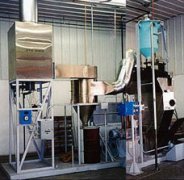
In addition to the degree of baking is divided into factions, even the roaster also has a family view. At present, there are two major professional roasters, one is the traditional rolling furnace (Drum Roaster), and the other is the newly developed hot gas furnace (Air Roaster). The former is heated by gas across the bottom of the furnace, while the metal blades in the furnace keep stirring the beans, while the latter bakes the beans with high-temperature hot air flow.
Introduction to the main points of coffee roasting knowledge: coffee bean roasting theory (3)
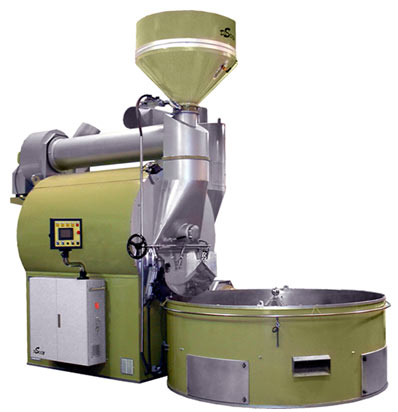
In addition to the degree of baking is divided into factions, even the roaster also has a family view. At present, there are two major professional roasters, one is the traditional rolling furnace (Drum Roaster), and the other is the newly developed hot gas furnace (Air Roaster). The former is heated by gas across the bottom of the furnace, while the metal blades in the furnace keep stirring the beans, while the latter bakes the beans with high-temperature hot air flow.
According to the classification of professional roasters, what are the different baking methods for different roasters?
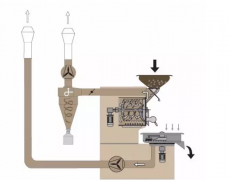
In addition to the degree of baking is divided into factions, even the roaster also has a family view. At present, there are two major professional roasters, one is the traditional rolling furnace (Drum Roaster), and the other is the newly developed hot gas furnace (Air Roaster). The former is heated by gas across the bottom of the furnace, while the metal blades in the furnace keep stirring the beans, while the latter bakes the beans with high-temperature hot air flow.